Auto Transport Dispatching After You Book
- US Car-Go Freight
- Jul 2
- 5 min read

You book your car shipment, sign the order, and then the waiting starts. If pickup isn't set right away, it's easy to think nothing is happening.
In most cases, the real work begins after you book. Auto transport dispatching is the step where your order gets matched with an actual carrier, a real truck, and a route that makes sense.
Once you know what happens behind the scenes, the process feels a lot less mysterious.
Booking starts the order, dispatch gets the truck
When people book auto shipping, they often assume a driver is already on the way. That's usually not how it works. Booking means your order is confirmed. Dispatching means a carrier has accepted the job.
This matters because many customers book with a broker, not with the truck owner. The broker gathers your shipment details, posts the job, talks to carriers, checks availability, and helps line up pickup. If you book directly with a carrier, dispatch still happens, but inside that company's own fleet.
The dispatch team starts with the basics. They confirm the year, make, and model. They check whether the car runs, whether it has oversized tires, and whether it needs open or enclosed transport. They also review the pickup and delivery ZIP codes, your first available date, and any notes about apartment gates, steep driveways, or low tree branches.
If you are arranging cross country car shipping services, this gap between booking and pickup often causes the most confusion. Long routes need the right truck and enough paying vehicles on the same lane. Because of that, dispatch can take a little time, even when your order is active.
Many dispatch teams use marketplaces such as Central Dispatch, where carriers review route details and decide whether a load fits their schedule. That doesn't replace phone calls or internal carrier lists, but it is a common part of the process.
A simple way to read the status is below:
Status | What it means | What you should expect |
|---|---|---|
Booked | Your order is in the system | The company starts looking for a carrier |
Dispatched | A carrier accepted the order | You should receive truck or driver details soon |
Picked up | Your car is on the trailer | Transit updates start during the trip |
That difference between booked and dispatched explains most of the quiet period after you place the order.
How dispatchers match your car with a carrier
A dispatcher doesn't simply grab the next truck on a map. They look for a carrier whose route, trailer space, and timing fit your vehicle.
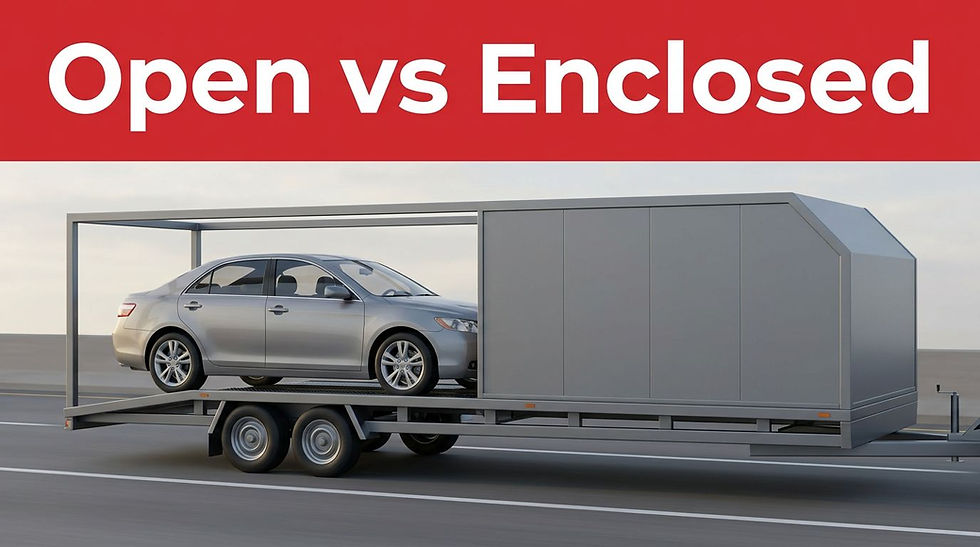
For example, an open carrier can move most daily drivers at a lower cost. An enclosed carrier is better for collector cars, exotic models, and some low-clearance vehicles, yet fewer enclosed trailers run each route. A non-running car needs a truck with the right equipment. A lifted pickup may not fit on every trailer. Small details change the match.
For cross country car shipping, route density matters a lot. A move from Los Angeles to Dallas is easier to cover than a pickup in a small mountain town. When you're transporting a car cross country, the dispatcher tries to place your vehicle on a lane a truck already plans to run. That keeps timing and pricing closer to the original quote.
A good dispatch team also checks the carrier before assignment. They look at active authority, insurance, and contact information. They confirm pickup windows and make sure the driver understands the job notes. If your vehicle has quirks, such as a dead battery, a low front spoiler, or a hard starting issue, those details need to reach the carrier before pickup day.
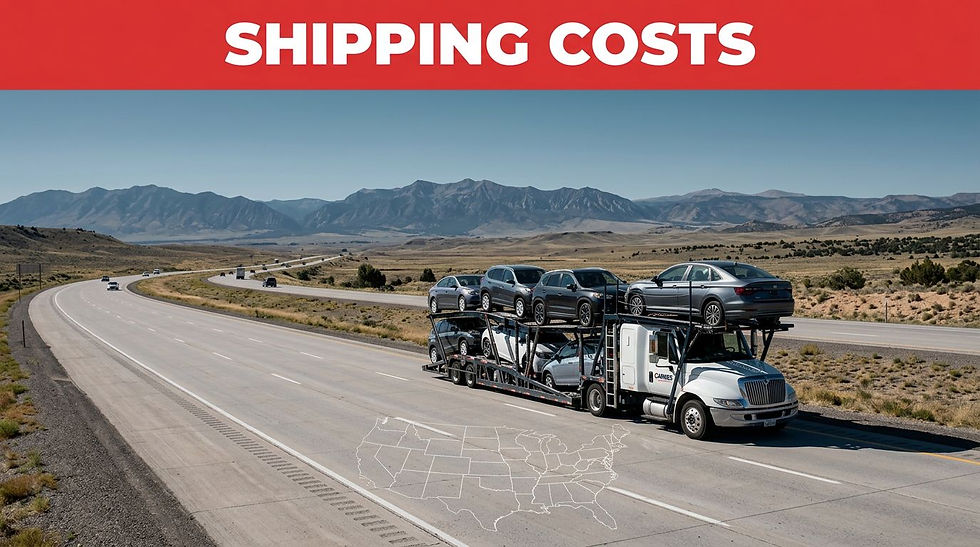
Photo By US Car-Go Freight - Open auto transport
Many people hear Nationwide Auto Shipping and picture a giant fleet waiting in every city. In real life, dispatch works more like air traffic control. Trucks are moving, routes fill up, drivers have hours-of-service limits, and each trailer has only so much room.
Because of that, the best carrier for your shipment is often the one already moving through your corridor, not the one closest to your pickup address at that moment.
What can delay auto transport dispatching
Dispatch timing changes for reasons that are usually pretty simple. The route may be slow that week. Your first available date may be too tight. The carrier pay may be too low for current market demand. Or the car may need equipment that only some trucks have.
Booked means your order is active. Dispatched means a carrier has said yes.
Season also plays a part. Snowbird traffic, summer moves, college relocation, and winter weather can tighten capacity on major lanes. Fuel prices can shift costs. Rural pickups often take longer than metro pickups because fewer trucks pass through those areas each day.
Price is another big factor. A quote is based on route history, distance, transport type, and current market conditions. If carriers don't bite at that rate, the dispatcher may call with options. They might ask for a wider pickup window. They might suggest meeting in a nearby lot that's easier for a large trailer. Sometimes they may recommend adjusting the carrier pay to get the order moving.
That does not always mean something went wrong. It often means the team is working the market in real time instead of assigning your car to the first available truck. A rushed assignment can create bigger problems later, such as missed pickups, poor communication, or a driver who didn't understand the vehicle details.
If your shipment seems quiet for a day or two, ask a direct question: has the order been posted, and has a carrier accepted it? That will tell you much more than a vague "you're all set."
What to expect before pickup day
Once the order is dispatched, communication usually speeds up. You may get the carrier's name, truck details, or the driver's phone number. In many cases, the exact pickup time comes 12 to 24 hours before arrival, not several days ahead.
That shorter notice surprises people, but it makes sense. Drivers build routes stop by stop, and traffic, weather, and earlier pickups affect the clock. Door-to-door service also has limits. If your street is too narrow, has low branches, or blocks commercial trucks, the dispatcher may set a nearby meeting spot like a shopping center or open parking lot.
Before pickup, it helps to have a few things ready:
Remove personal items unless the company says a small amount is allowed.
Leave the car with about a quarter tank of fuel.
Take clear photos of the exterior before the driver arrives.
Keep a spare key and a working phone number available.
At pickup, the driver and customer inspect the car and note its condition on the bill of lading. That document matters because it becomes the record used again at delivery. If you want to see how much detail dispatchers and drivers often confirm before loading, this dispatcher booking and load verification example gives a useful look at the process.
After the car is loaded, the hard part is mostly over. From there, you are waiting on transit updates and delivery timing, not on the carrier match itself. That's why the dispatch stage matters so much. It sets up everything that follows.
Overview
The quiet stretch after booking does not mean your shipment is stuck. It usually means the company is still matching your car with the right truck, route, and timing.
When you understand the difference between booked and dispatched, you can ask better questions and set better expectations. That makes cross-country moves much easier to manage.
If you are comparing carriers or brokers, US Car-Go Freight is a good place to review how pickup windows, carrier screening and status updates work before you commit. A clear dispatch process is often the difference between a smooth shipment and a stressful one.

Comments