
How Early Should You Book Car Shipping?
- US Car-Go Freight
- 4 days ago
- 5 min read

Miss the timing, and car shipping gets harder fast. If you need to book car shipping for a move, a sale, or a seasonal trip, waiting too long can mean higher rates and fewer pickup choices.
For most routes, one to three weeks ahead is a smart target. Still, that window changes when you're shipping across the country, moving in July, or asking for enclosed transport.
A little planning gives you more control, and that matters before a truck is even assigned.
Key Takeaways
Most local or regional moves need about 7 to 10 days of lead time.
For cross-country shipments, 10 to 21 days is safer, and peak season often calls for 2 to 4 weeks.
Enclosed transport, remote locations, EVs, and specialty vehicles usually need extra time.
A flexible pickup window often lowers your price and improves carrier availability.
July, August, and winter snowbird routes tend to book up faster and cost more.
The best booking window for most shipments
Most people don't need to reserve months ahead, but they do need more than a few days. When you book car shipping, you start the dispatch process. You are not locking in a truck like a dinner reservation.
That distinction matters because the carrier still has to be assigned. On many routes, that first step can take 1 to 5 days before the vehicle even gets picked up.
This quick chart shows a solid planning range:
Shipment type | Normal lead time | Better during busy periods |
|---|---|---|
Local or regional, under 500 to 700 miles | 7 to 10 days | Around 2 weeks |
Cross-country, 1,500+ miles | 10 to 21 days | 2 to 4 weeks |
Enclosed, remote, or specialty transport | 2 to 3 weeks | 3 to 4 weeks |
For most standard moves, that timing is enough. Still, the tighter your date, the earlier you should book.
Earlier booking usually buys you better choices, not only peace of mind.
If you're shipping on a normal open trailer between major cities, one to two weeks may work fine. If you need a narrow pickup date, enclosed transport, or a harder route, give the market more time to find the right truck.
Why route and season change everything
A Los Angeles to Dallas move is usually easier to place than a pickup from a small town far off a main highway. Popular lanes along I-95, I-10, and I-40 attract more carriers, so dispatchers have more room to match your vehicle with an active route.
Season matters just as much. In 2026, the busiest stretch runs from March through August, and July and August are often the hardest months to book. Summer demand is strong because people relocate, buy cars, and move before school starts. As a result, summer 2026 rates are projected to run about 12 to 18 percent higher on many routes.
Winter can fool people. Demand may look lower at first, yet snowbird traffic pushes a large wave of vehicles from the Northeast and Midwest to Florida between October and February. Routes tied to I-95 and I-75 get especially busy, and bad weather in northern states can slow transit even when fewer people are moving.
If you're comparing cross country car shipping services, study the lane first and the quote second. With Nationwide Auto Shipping, truck availability is never equal on every route, every week, or every season.
When different shipping situations need more notice
Short regional moves often need the least notice. If the trip is under 500 to 700 miles and starts near a metro area, 7 to 10 days is often enough. Even then, a little extra room helps if your date cannot move.
Standard cross-country moves
For cross country car shipping, 10 to 21 days is a safer window. Long north-south routes have more moving parts, and they also need more travel time after pickup. Most open transport shipments are easier to place because open trailers are more common.
Price also ties into timing. On many routes, open transport is the lower-cost choice, often around $650 to $950 depending on the lane and vehicle. Longer coast-to-coast trips often land around $900 to $1,500, and late bookings can push that higher.
Enclosed, EV and specialty vehicles
Some shipments need more patience from the start. Enclosed trailers are less common than open ones, so collector cars, luxury vehicles and some specialty units usually need at least two to three weeks of lead time. The same goes for remote pickups and certain EV shipments, because fewer carriers are set up for those jobs.
If you are moving a vehicle that can't sit on a regular schedule, don't wait for the week before your move. A narrow market gives you fewer choices.
Last-minute shipping
Last-minute transport is possible, but it changes the deal. You may need to accept a higher quote, a wider pickup window, or a pickup location that is easier for the truck to reach.
Weekday availability also helps. Carriers often have more room to adjust on weekdays than on weekends, so a little flexibility can rescue a booking that would otherwise miss the date.
How to improve your pickup odds and keep costs in check
A flexible schedule gives you the biggest advantage. Even a 3 to 5 day pickup window can cut days off the search for a truck, because the carrier can fit your vehicle into an existing route instead of bending the route around one exact date.
A few practical moves help more than people expect:
Give the dispatcher a range of pickup dates, not one fixed day.
Use a nearby city or major road if your home is far from common truck routes.
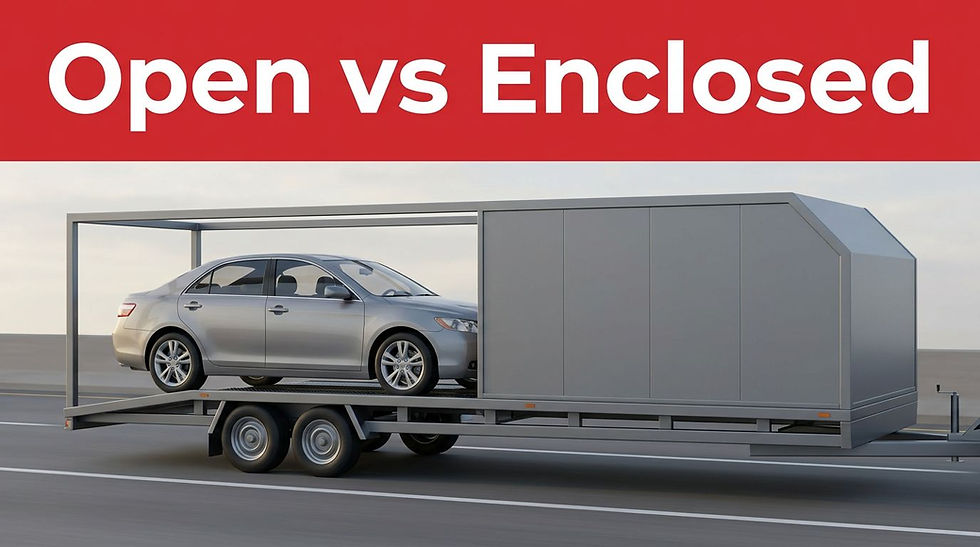
Choose open transport unless your vehicle truly needs enclosed service.
Avoid waiting for July, August, or peak snowbird season to place the order.
Those changes may sound small, yet they can make a real difference. Popular corridors move faster because more trucks pass through them. Meanwhile, remote areas often take longer because a carrier has to justify the detour.
It also helps to have your details ready before you book car shipping. Know the vehicle's year, make, model, running condition, and pickup zip code. A clean, complete order moves faster than one that needs follow-up calls before dispatch can begin.
Signs you are waiting too long
The first clue is often the quote. If the price rises every time you check and your pickup date is getting closer, you are chasing fewer open spots.
Another warning sign is a broad pickup window when you wanted a tight one. That usually means the route is busy, the lane is thin, or both. Summer dates, snowbird traffic, enclosed transport, and rural pickups all make this more common.
A late booking does not always ruin the shipment. Still, if you need an exact day, a collector-car trailer, or a hard-to-reach location, the week before pickup is a risky time to start.
Tight dates usually mean tighter availability and higher rates.
Final thoughts
Missing the timing can cost more than a few days. It can shrink your options and raise the price at the same time.
For most moves, booking one to three weeks early is enough. For summer routes, winter snowbird traffic, and specialty vehicles, give yourself more room and keep your pickup window flexible.
If you're ready to compare dates, route options, and transport types, US Car-Go Freight is a practical place to start.
Comments